The Cellular Battlefield: Phytotherapy & Immunomodulation in Lyme Disease
The advice floating around in common lifestyle magazines for boosting the immune system sounds harmless and simple: “Eat plenty of vitamin C and avoid stress.” However, with a chronified Lyme infection, this is akin to trying to fend off a military cyber-attack with a new virus scanner. Borrelia burgdorferi is an absolute master of molecular camouflage. This pathogen doesn't just weaken the immune system—it systematically reprograms our macrophages and lymphocytes.
Toll-like Receptors: The Blind Radar
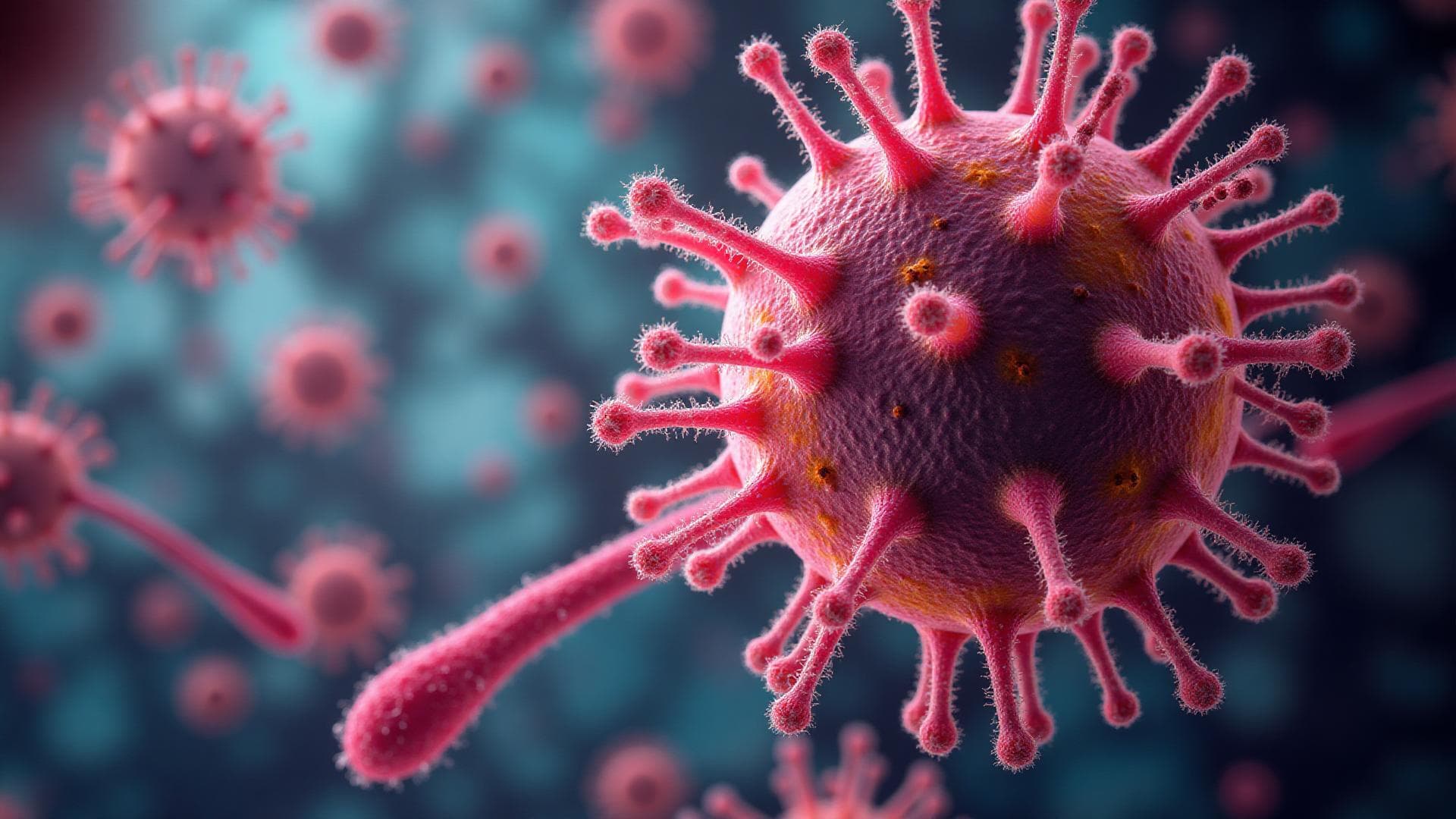
Our primary immune scavenger cells (macrophages) possess so-called Toll-like receptors (primarily ) which scan the flowing bloodstream like active radar screens looking for hostile bacterial walls.
Borrelia responds to the chemical stress of an antibiotic assault with an unprecedented tactic: they physically shed their protective, spiral cell wall and mutate into the CWD (Cell Wall Deficient) L-form. Since the immune system is programmed to look specifically for these cell walls, it finds nothing. The “enemy radar” illuminates green. Macrophagic phagocytosis stalls completely, while the naked L-forms survive completely undetected and highly toxic deep within connective tissue and fibroblasts.
The Microbiome as a Collapsed Shield
The human gut harbors over 80% of the innate immune system (the GALT - Gut-Associated Lymphoid Tissue). The chronic late phase of Lyme disease is, in reality, often a massive neuro-enterologic failure.
Months to years of largely blind antibiotic therapies fundamentally decimate the protective lactobacilli and bifidobacteria. The inevitable result is profound dysbiosis: translocated lipopolysaccharides (toxic, dead bacterial debris) breach the delicate microbiological intestinal barrier, enter directly into the venous bloodstream (), and ignite systemic storms of inflammation throughout the entire body. Inside this fundamental immunological chaos, Borrelia can expand completely unhindered.
Cytokine Polarization (Th1 vs. Th2)
The absolute pathogenic genius of the spirochetes lies in their ability to “tilt” the host's lymphocyte balance. To destroy intracellular bacteria, the body requires a razor-sharp Th1 immune response (cellular destruction). However, through enzymatic manipulation, Borrelia metabolically forces the body into a permanent Th2 state (overwhelmingly allergic/inflammatory). The body then chronically produces autoimmune reactions against trivial elements (like food or histamine), but "forgets" to phagocytize the primary bacterium.
Phage Therapy and Peptides
To break through this fatal immunological stalemate during the chronic phase, mere rest is not enough. We need vectors that actively repolarize the immune system. Specific, laboratory-trained bacteriophages or advanced Antimicrobial Peptides (AMPs) physically shatter the biofilm camouflage of the L-forms and present these masked proteins to the slumbering immune system (antigen unmasking).
The Phytotherapy Revolution: Studies on Samento and Artemisinin
When synthetic antibiotics fail against persister cysts and dense biofilms, modern phytotherapy (plant medicine) offers evidence-based, highly effective alternatives. Groundbreaking in-vitro studies (published by researchers such as Dr. Eva Sapi and Dr. Ying Zhang of Johns Hopkins University) have conclusively demonstrated that certain botanical compounds disintegrate the biofilms of Borrelia burgdorferi far more effectively than standard antibiotics.
Samento & Banderol
Cat's Claw, specifically as a pentacyclic alkaloid-free extract (Samento), alongside Banderol (extracted from the bark of the Otoba parvifolia tree) have proven to be highly bactericidal. In peer-reviewed studies, they were able to drastically reduce compact Borrelia biofilms—an area where classic doxycycline often fails entirely and merely drives the bacteria deeper into their cystic L-form state.
Artemisia Annua (Sweet Wormwood)
The primary active compound Artemisinin (originally discovered to combat Malaria) attacks pathogenic agents oxidatively. Borrelia and Babesia, which may be rich in iron or unable to survive specific oxidative stress, are eradicated extremely effectively upon contact with the peroxide stored within the Artemisinin molecule.
Teasel Root (Dipsacus fullonum)
Teasel root does not necessarily eliminate the bacteria upon direct toxic contact. Instead, its phytochemical properties fundamentally alter the milieu of the connective tissue (where Borrelia nest anaerobically), effectively "washing" the spirochetes out of the deep tissue and back into the bloodstream, where our adaptive immune system can finally locate and phagocytize them again.
Why "Immunostimulation" is Highly Dangerous in Neuro-Lyme
In highly inflammatory autoimmune conditions or late-stage Lyme, blind “immunostimulation” (for example, with high-dosed Echinacea) is absolutely dangerous! An already overshooting, misdirected Th2 immune system must under no circumstances be “excited” any further—doing so massively exacerbates neuropathic inflammation.
The only correct therapeutic response is immunomodulation. Targeted cellular mycotherapy (medicinal mushrooms like Reishi or Cordyceps which intelligently regulate macrophages), extremely high-dosed resveratrol to dampen the derailed NF-kB signaling pathway (the genetic "master switch" for inflammation), and a radical rebuilding of the enteric intestinal barrier. The immune system does not need to get “stronger” and more aggressive; it needs to shed its pathological “blindness” toward the dangerous L-forms and regain its natural precision.
Conclusion
Today, the victory over persistent chronic infections is decided on a cellular, receptor-based level. In the modern world of highly evolved pathogens, true botanical and proteomic immunotherapy means decoding toxic biofilm signals, reprogramming derailed macrophage activity, and implementing absolute protection for our commensal helper bacteria within the microbiome.
Scientific References & Evidence-Based Studies
- [1]
Sapi, E., et al. (2011): Effectiveness of Stevia Rebaudiana Whole Leaf Extract Against the Various Morphological Forms of Borrelia Burgdorferi. European Journal of Microbiology and Immunology
- [2]
Brogna, C., et al. (2021): Toxin-like peptides in plasma, urine and faecal samples from COVID-19 patients. F1000Research
- [3]
Feng, J., et al. (2020): Evaluation of Natural and Botanical Medicines for Activity Against Growing and Non-growing Forms of B. burgdorferi. Frontiers in Medicine