The Viral Alliance: How Co-Infections Hack the Immune System
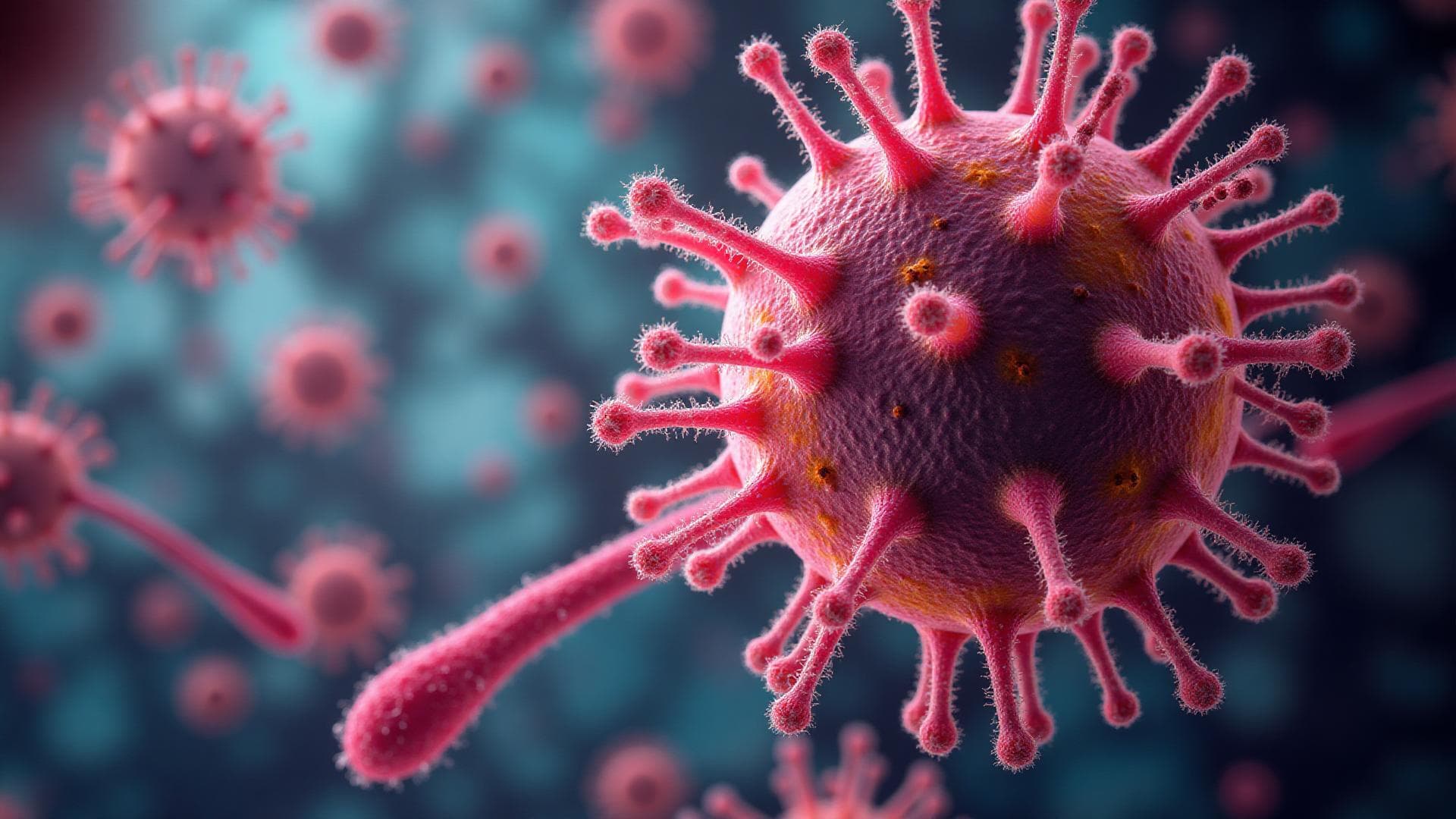
The dogmatic medical fixation on the isolated pathogen Borrelia burgdorferi is one of the greatest errors in modern infectiology. In microbiological reality, pathogens never operate in a vacuum; they form highly complex, remarkably adaptable, and synergistic networks. As is evident from my decades of research into retroviruses and the HI virus (HIV), in chronic Lyme disease we observe an absolutely comparable, practically orchestrated immune suppression, driven primarily by so-called “co-infections.”
The Pathogen Synergy: A Deadly Dance
When a patient cohort fails to heal after weeks of, often intravenous, antibiotic therapy, it is almost never due to mutated “super-bacteria” or the patient's imagination. It is almost exclusively due to the accompanying microbiological fauna.
The bite of an infected tick rarely transmits only Borrelia. It injects an entire, highly toxic reservoir: Bartonella, Babesia, Rickettsia, Anaplasma, and Mycoplasma. These pathogens very rarely fight each other for host resources. On the contrary: They cooperate strategically based on quorum sensing. By utilizing gene transfer, they exchange plasmids, mutually stabilize their extracellular biofilms (slime matrix), and methodically deconstruct our body's T-cell response by upregulating anti-inflammatory cytokines (such as Interleukin-10).
The Three Horsemen of Co-Infections
To cure chronic multisystem diseases, the attending physician must accurately diagnose the specific "fingerprints" of the dominant co-infections. Each group has a highly specific signature of destruction within the human body:
Babesia: The Hypoxia Generators
Babesiosis is not a bacterial infection, but rather a dangerous, malaria-like blood parasite (protozoon). It infects, multiplies within, and ultimately destroys our red blood cells (erythrocytes). This generates a micro-thrombotic cascade leading to chronic , "air hunger" (the terrifying feeling of not being able to breathe deeply enough), and sudden, extreme night sweats where patients must literally change their bed sheets. Classic antibiotics like Doxycycline are completely ineffective against parasites—Babesia urgently requires highly specific antiparasitic drugs (e.g., Atovaquone/Azithromycin).
Bartonella: The Endothelial Destroyers
Bartonella henselae and related strains target the blood vessel walls and the central nervous system exclusively. Bartonella infections cause extreme microvascular inflammation, "burning soles" of the feet in the morning, profound psychiatric symptoms (rage outbursts, severe depression due to brain inflammation), and often characteristic stripe-like skin lesions (Bartonella striae) that are mistakenly passed off as standard "stretch marks".
Mycoplasma: The Intracellular Thief
Mycoplasmas are the smallest known free-living bacteria. Their unique trait: They do not possess a cell wall. This makes them immune to almost all beta-lactam antibiotics (like Penicillin). They penetrate deep into our cells and steal essential nutrients (e.g., cholesterol and amino acids). They trigger chronic atypical pneumonias, persistent coughing fits, and severe joint degeneration.
Reactivation: The Viral Awakening from the Shadows
One of the least understood mechanisms of Post-Lyme Disease is the explosive awakening of endogenous viruses. Almost every Western human passively harbors the Epstein-Barr Virus (EBV), Cytomegalovirus (CMV), or Human Herpesvirus 6 (HHV-6) throughout their lives, mostly dormant in spinal fluid or B-cells. Under normal circumstances, these are easily kept in check (latency) by an intact immune system.
However, when the Borrelia/Bartonella consortium begins to systematically manipulate the body's cytokine architecture, a deep "immunological dead zone" is created. The immune system is misdirected toward a biochemical “false enemy.” Exactly within this shadow-window of cellular immunosuppression, the dormant herpesviruses roar awake.
"The fatal and tragic consequence in clinical practice: The patient suddenly suffers primarily from a fulminant, highly toxic EBV reactivation. Doctors diagnose 'chronic glandular fever' (Mononucleosis) while the actual Lyme disease—the triggering mastermind—remains undetected and silently retreats into the deeper tissue layers of the central nervous system."
Biophysics: EMS Signals and Water Memory
In my later, and admittedly highly controversial, research works (for which I received extreme criticism as a virologist), I was able to measure Low-Frequency Electromagnetic Signals (EMS) in very high aqueous dilutions of highly pathogenic DNA (such as Mycoplasma pirum and Borrelia). We have very strong physical reasons to believe that viral and bacterial pathogens communicate with each other in the blood plasma on a non-chemical, purely biophysical level. They synchronize their phases of attack and defense via these resonance fields. Therefore, a successful eradication therapy must ideally integrate biophysical resonance aspects in the future.
The Virological and Antiparasitic Solution
The one-dimensional monotherapy with standard antibiotics resembles an attempt to force a complex 100-piece symphony orchestra to a halt by merely taking away the music stand from the lead violinist. While the antibiotics do cause Borrelia to rapidly retreat into their impregnable cystic forms, the rest of the highly pathogenic ensemble—especially viruses and Babesia—flourishes entirely unchecked.
Healing chronic multisystem diseases demands an orchestrated, multi-systemic, and fractionated strategy. Before the primary antibacterial attack, the viral load must absolutely be reduced (e.g., via systemic herbal antivirals or targeted high-dose ozone therapy). Simultaneously, parasitic co-infections like Babesia must be eliminated as an absolute priority, as they keep the blood permanently toxic and drastically block cellular oxygen.
Only by radically destroying this entire “Pathogenic Alliance” does the natural human endothelial and immune system finally regain the opportunity to cleanse the microbiological terrain and heal systemically.
Scientific References & Evidence-Based Studies
- [1]
Montagnier, L., et al. (2009): Electromagnetic signals are produced by aqueous nanostructures derived from bacterial DNA sequences. Interdisciplinary Sciences: Computational Life Sciences
- [2]
Vannier, E. G., et al. (2015): Babesiosis. Infectious Disease Clinics of North America
- [3]
Breitschwerdt, E. B. (2014): Bartonellosis: One Health Perspectives for an Emerging Infectious Disease. ILAR Journal