L'Alleanza Virale: Come le Co-Infezioni Hackerano il Sistema Immunitario
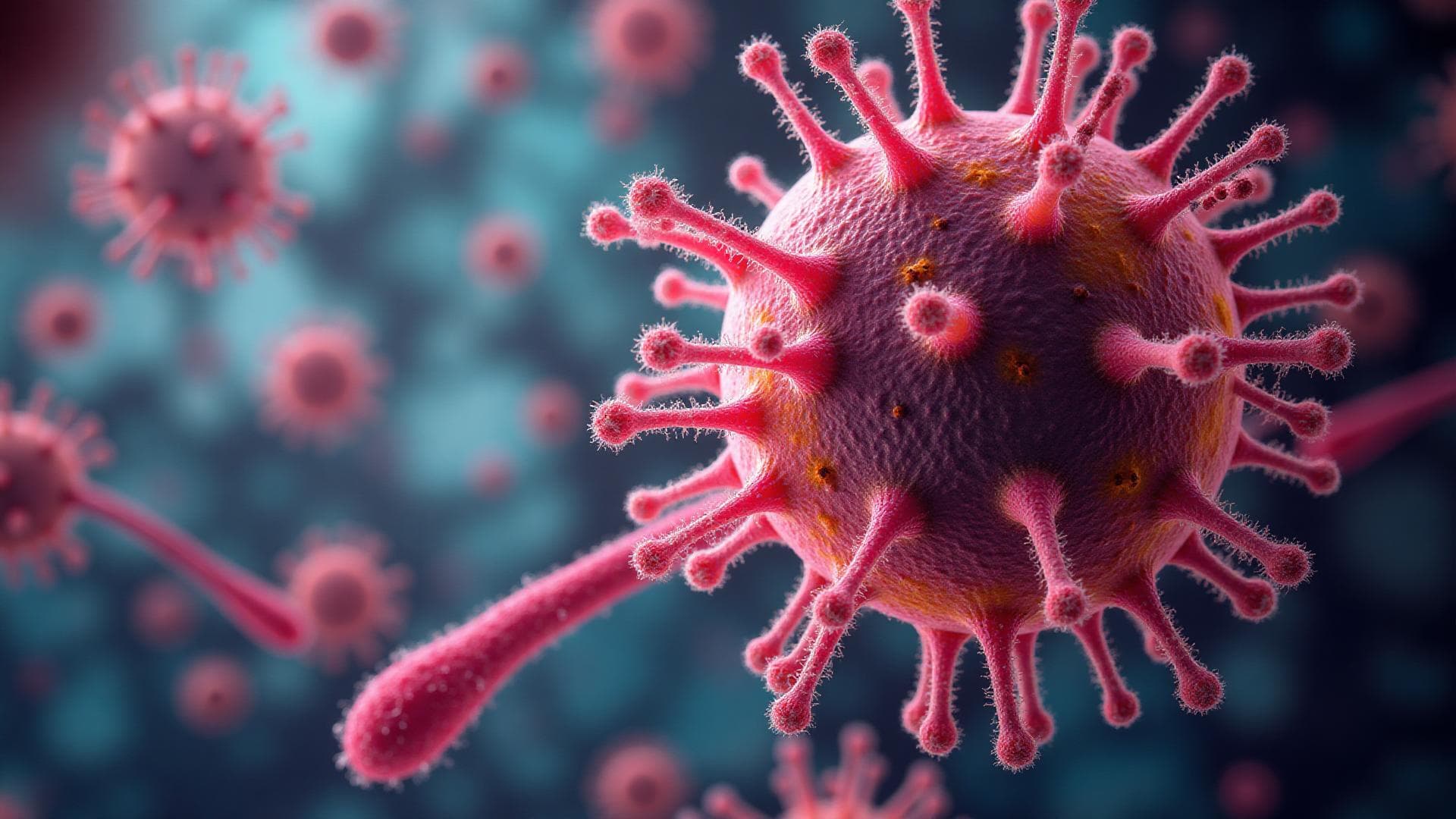
La fissazione medica dogmatica sull'agente patogeno isolato Borrelia burgdorferi è uno dei più grandi errori dell'infettivologia moderna. Nella realtà microbiologica, gli agenti patogeni non operano mai isolati; essi formano reti altamente complesse, straordinariamente adattabili e sinergiche. Come è evidente dai miei decenni di ricerca sui retrovirus e sull'HIV, nella malattia di Lyme cronica osserviamo un'immunosoppressione assolutamente paragonabile, quasi del tutto orchestrata, guidata principalmente dalle cosiddette "co-infezioni".
La Sinergia Patogena: Una Danza Mortale
Quando un gruppo di pazienti non guarisce dopo settimane di terapia antibiotica, spesso per via endovenosa, ciò non è quasi mai dovuto a mutazioni in "super-batteri" o all'immaginazione del malato. È dovuto quasi esclusivamente alla fauna microbiologica di accompagnamento.
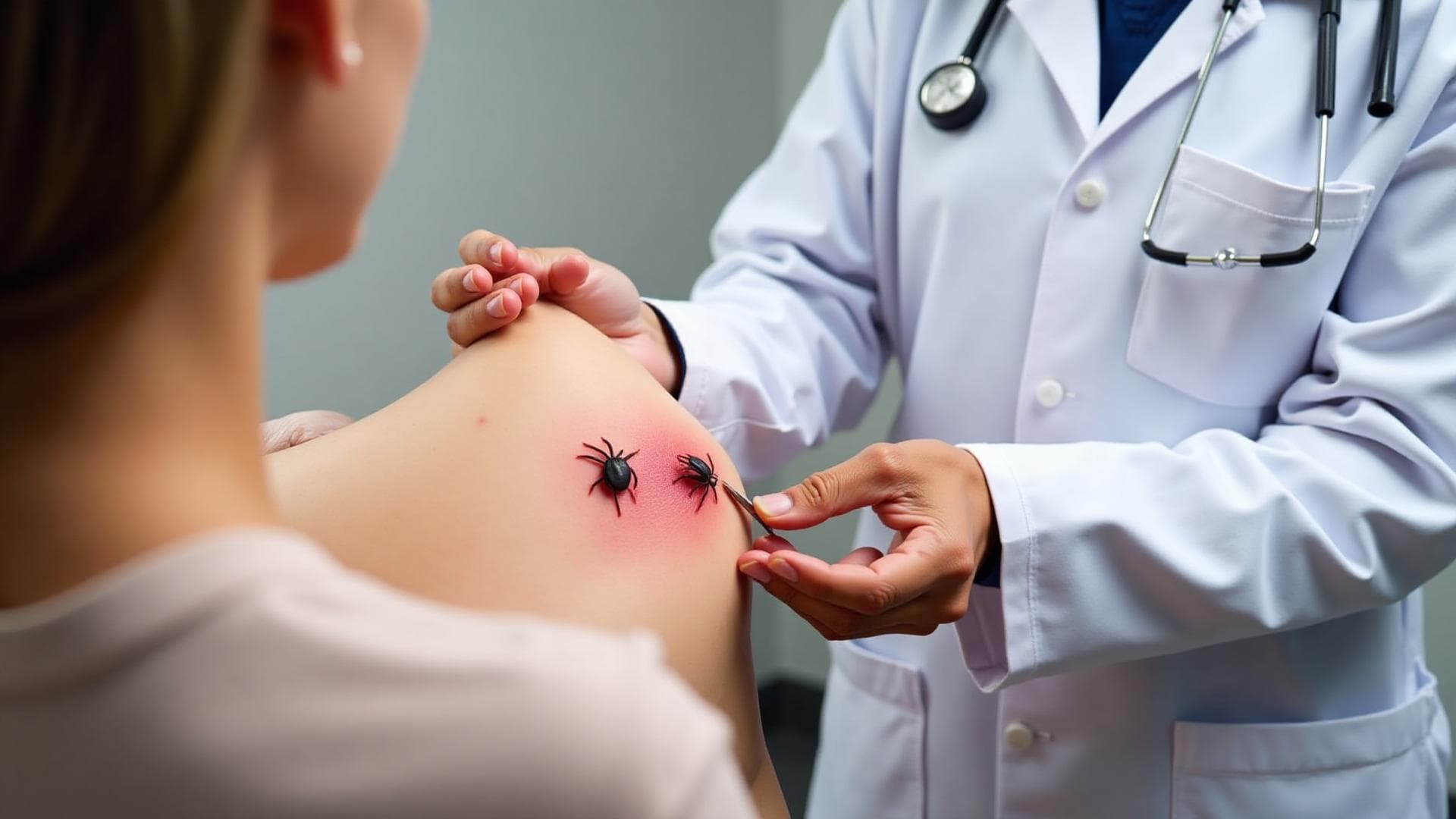
Il morso di una zecca infetta raramente trasmette solo la Borrelia. Inietta un intero serbatoio altamente tossico: Bartonella, Babesia, Rickettsia, Anaplasma e Mycoplasma. Questi agenti patogeni combattono molto raramente tra loro per le risorse dell'ospite. Al contrario: cooperano in modo strategico grazie al quorum sensing. Scambiandosi plasmidi attraverso il trasferimento genico, stabilizzano reciprocamente i propri biofilm extracellulari e smantellano metodicamente la risposta delle cellule T del nostro corpo sovraregolando le citochine antinfiammatorie (come l'Interleuchina-10).
I Tre Cavalieri delle Co-Infezioni
Per curare le malattie croniche multisistemiche, il medico curante deve diagnosticare con precisione le "impronte" specifiche delle co-infezioni dominanti. Ogni gruppo possiede una firma distruttiva altamente specifica nel corpo umano:
Babesia: I Generatori di Ipossia
La babesiosi non è un'infezione batterica, ma un pericoloso parassita del sangue simile alla malaria (protozoo). Infetta, si moltiplica e infine distrugge i nostri globuli rossi (eritrociti). Questo genera una cascata micro-trombotica portando ad , "fame d'aria" (la tragica sensazione di non poter fare respiri profondi) ed improvvise ed estreme sudorazioni notturne. I classici antibiotici come la doxiciclina sono del tutto inefficaci contro i parassiti — Babesia richiede farmaci antiparassitari altamente specifici (es. Atovaquone/Azitromicina).
Bartonella: I Distruttori dell'Endotelio
La Bartonella henselae e i ceppi correlati prendono di mira esclusivamente le pareti dei vasi sanguigni e il sistema nervoso centrale. Le infezioni da Bartonella provocano infiammazioni microvascolari estreme, bruciore alla pianta dei piedi al mattino, sintomi psichiatrici profondi (scoppi d'ira, gravi depressioni dovute all'infiammazione cerebrale) e spesso caratteristiche lesioni cutanee a strisce (Strie da Bartonella) che vengono scambiate per normali smagliature.
Mycoplasma: Il Ladro Intracellulare
I micoplasmi sono i più piccoli batteri liberi noti. La loro particolarità: non possiedono parete cellulare. Ciò li rende immuni a quasi tutti gli antibiotici beta-lattamici (come la penicillina). Penetrano in profondità nelle cellule rubando nutrienti essenziali (es. colesterolo e aminoacidi) e scatenano gravi degenerazioni articolari, polmoniti atipiche croniche e tosse persistente.
Riattivazione: Il Risveglio Virale dall'Ombra
Uno dei meccanismi meno compresi della malattia post-Lyme è l'esplosivo risveglio dei virus endogeni. Quasi tutti gli europei portano passivamente il virus di Epstein-Barr (EBV), il citomegalovirus (CMV) o l'herpesvirus umano 6 (HHV-6) per tutta la vita, perlopiù dormienti nel liquido spinale o nei linfociti B. In condizioni normali, vengono tenuti a bada (latenza) da un sistema immunitario intatto.
Tuttavia, quando il consorzio Borrelia/Bartonella manipola sistematicamente l'architettura delle citochine corporee, si crea una profonda "zona morta immunologica". Il sistema immunitario viene deviato verso un falso nemico biochimico. Esattamente in questa finestra d'ombra dell'immunosoppressione cellulare, i virus erpetici sopiti si risvegliano prepotentemente.
"La fatale e tragica conseguenza nella prassi clinica: Il paziente improvvisamente soffre in primis di una riattivazione fulminante dell'EBV. I medici diagnosticano una 'febbre ghiandolare cronica' (Mononucleosi) mentre la vera malattia di Lyme — la mente scatenante principale — non viene scoperta e si ritira silenziosamente negli strati tissutali più profondi del sistema nervoso centrale."
Biofisica: Segnali EMS e la Memoria dell'Acqua
Nelle mie ricerche più tarde, sebbene altamente controverse (per le quali fui aspramente criticato come virologo), sono riuscito a misurare forti Segnali Elettromagnetici a Bassa Frequenza (EMS) in diluizioni acquose molto elevate di DNA altamente patogeno (come Mycoplasma pirum e Borrelia). Abbiamo solide ragioni fisiche per credere che i patogeni virali e batterici comunichino tra loro nel plasma sanguigno non su base chimica, ma a livello puramente biofisico. Sincronizzano le loro fasi di attacco e difesa attraverso questi campi di risonanza. Una terapia di radicazione di successo dovrà, in futuro, integrare idealmente questi aspetti di risonanza biofisica.
La Soluzione Virologica e Antiparassitaria
La singola monoterapia con antibiotici standard è come tentare di fermare un'orchestra sinfonica di 100 elementi togliendo semplicemente il leggio al primo violino. Mentre gli antibiotici costringono rapidamente le Borrelie a rifugiarsi nelle loro inattaccabili forme cistiche, il resto dell'insieme patogeno — in particolare virus e Babesia — fiorisce del tutto indisturbato.
La guarigione di queste malattie multisistemiche croniche richiede una strategia orchestrata, multisistemica e frazionata. Prima dell'attacco antibatterico primario, il carico virale deve essere assolutamente ridotto (ad es., tramite antivirali vegetali sistemici o mirata ossigeno-ozonoterapia ad alte dosi). Contemporaneamente, si devono eliminare per prime le co-infezioni parassitarie come Babesia, poiché mantengono il sangue permanentemente tossico e bloccano l'ossigeno cellulare.
Solamente distruggendo radicalmente l'intera "Alleanza Patogena", l'endotelio e il sistema immunitario riacquistano l'opportunità di ripulire il terreno microbiologico e di guarire a livello sistemico profondo.
Riferimenti scientifici & Studi basati su evidenze
- [1]
Montagnier, L., et al. (2009): Electromagnetic signals are produced by aqueous nanostructures derived from bacterial DNA sequences. Interdisciplinary Sciences: Computational Life Sciences
- [2]
Vannier, E. G., et al. (2015): Babesiosis. Infectious Disease Clinics of North America
- [3]
Breitschwerdt, E. B. (2014): Bartonellosis: One Health Perspectives for an Emerging Infectious Disease. ILAR Journal