One Health : La Médecine Vétérinaire comme Miroir Médico-Légal de Lyme

Le règne animal offre à la science fondée sur des preuves le domaine d'observation absolu le plus pur et le plus inaltéré pour les maladies infectieuses pathologiques. Ce que des mammifères tels que les chiens, les chevaux et les chats nous révèlent sur la progression des attaques bactériennes est cliniquement et médico-légalement souvent cent fois plus précis que n'importe quelle étude humaine hautement contrôlée. Pourquoi ? Tout simplement parce que les animaux ne simulent pas de symptômes psychosomatiques, ne recherchent pas d'articles médicaux sur Internet et ne nourrissent absolument aucune idée préconçue psychologique sur leur potentielle "maladie". Ce vide total de biais humain complexe fait du monde animal un miroir scientifique inestimable.
Le Principe "One Health" : Un Agent Pathogène, Deux Patients
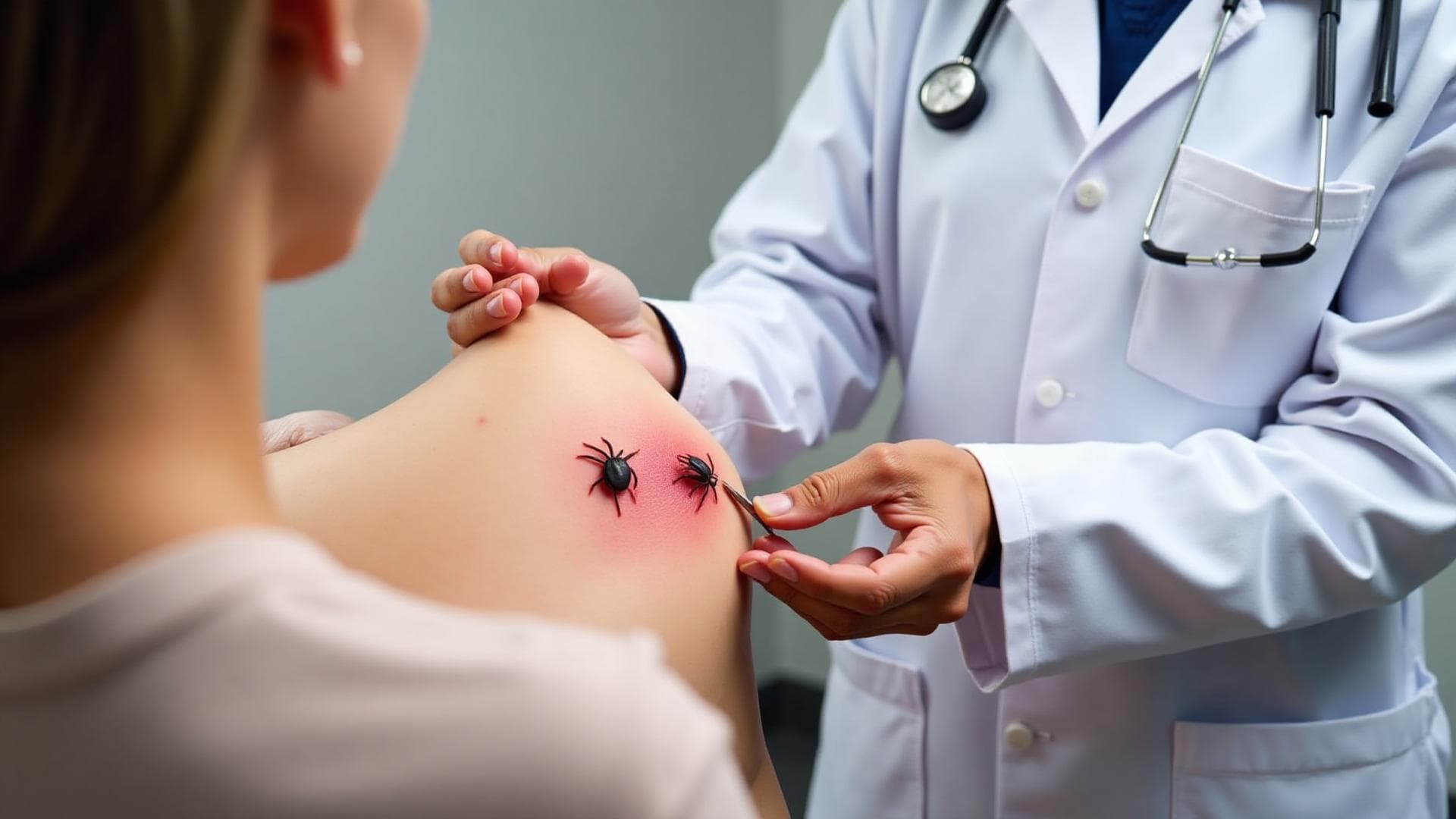
Le concept visionnaire ne considère plus la santé globale des humains, des animaux et des écosystèmes complexes de manière séparée, mais plutôt comme une matrice complètement et inextricablement interconnectée. Concernant le sujet hautement explosif de la maladie de Lyme, cette intersection épidémiologique est profondément évidente et fatale : exactement la même espèce de tique (Ixodes ricinus en Europe, Ixodes scapularis en Amérique du Nord) transmet des souches identiques de spirochètes Borrelia burgdorferi aux chiens comme aux humains. La bactérie ne fait absolument aucune distinction entre les espèces hôtes.
Un avantage clinique énorme, mais souvent largement sous-estimé, de la médecine vétérinaire par rapport à la médecine humaine classique : nous analysons et traitons directement sur le déficit physiologique réel, entièrement isolés de tout effet placebo perturbateur, et en nous basant purement sur l'observation cellulaire et biochimique. Un chien qui refuse de marcher à cause d'une inflammation articulaire fulgurante ne simule pas. Un cheval de compétition de haut niveau qui devient soudain extrêmement apathique, déprimé et perd sa forme déploie cette baisse sévère de capacité brutalement et sans aucun égard pour les attentes sociales ou financières. C'est précisément la raison pour laquelle les mammifères agissent comme des "sentinelles" (gardiens) biologiques incorruptibles pour notre compréhension ultime de la chronicité de la maladie de Lyme.
La Maladie de Lyme chez le Chien — Un Miroir Clinique Radical
Pathologie Canine Aiguë et Systémique :
- ■ Boiterie Intermittente ("Shifting Leg Lameness") : La marque de fabrique indubitable de la maladie de Lyme chez le chien. Des inflammations articulaires extrêmes qui sautent de façon erratique et douloureuse d'une patte (par ex., avant gauche) à une articulation complètement différente (arrière droite) en quelques heures — offrant une preuve observable directe de la migration profonde des spirochètes à l'intérieur du cartilage articulaire.
- ■ Apathie et Fièvre Chronique : Un état sévère et non naturel de léthargie profonde et morbide qui survient brusquement plusieurs semaines après une morsure de tique sans aucun avertissement, souvent combiné à une anorexie complète.
- ■ Changements Neurologiques du Comportement : Même des chiens très bien dressés et obéissants deviennent brusquement anxieux, agressifs, facilement effrayés ou affichent des traits presque dépressifs sans raison apparente. Cela reflète directement la neuro-inflammation agressive attaquant le cortex cérébral.
- ■ Néphrite de Lyme (LN) : Un dépôt de complexes immunologiques létal et hautement dangereux survenant profondément dans le tissu rénal. Les races de type Retriever (Labradors, Golden Retrievers) en meurent particulièrement d'une insuffisance rénale aiguë et massive. Une preuve consternante de la manière dont les Borrelia détruisent impitoyablement les organes systémiques de l'hôte.
Une preuve clinique incroyablement vitale pour les diagnostics humains : les chiens ne développent presque jamais le célèbre "Érythème Migrant" (éruption cutanée en forme de cible) – et si de légers anneaux se manifestent, ils sont complètement dissimulés de manière invisible sous leur épaisse fourrure. Par conséquent, le diagnostic vétérinaire est établi uniquement sur l'effondrement systémique des organes et les marqueurs sanguins sérologiques durs. La réalité ridicule selon laquelle de nombreux médecins généralistes humains insistent encore obstinément sur le fait "qu'une éruption cutanée manquante équivaut à l'absence de la maladie de Lyme" est quotidiennement prouvée comme étant un dogme mortel et obsolète par la science vétérinaire.
Le Chien comme Signal d'Alerte Précoce
Épidémiologiquement, les chiens sont de véritables aimants à tiques en raison de leurs courses effrénées et incessantes dans les hautes herbes. Si votre chien est testé positivement aux anticorps anti-Borrelia de manière aiguë, cela représente un multiplicateur de risque majeur : vous et votre famille avez été exposés exactement aux mêmes zones géographiques hautement infectées. L'infection d'un animal de compagnie doit immédiatement déclencher une sirène d'alarme retentissante concernant les propres risques pour la santé de son propriétaire.
Le Cheval : Quand le Système Nerveux s'Effondre
Les chevaux sont des animaux de pâturage, ce qui les laisse par conséquent exposés de façon constante et sans défense à des populations de tiques rurales massives et ininterrompues. La maladie de Lyme chez les patients équins se présente généralement d'une manière beaucoup plus neuro-centrée et neurologiquement dévastatrice :
- Chute de Performance Inexplicable : Épuisement musculaire sévère, reflétant directement l'expression pathologique du chez l'homme.
- Hyperesthésie : Hypersensibilité extrême et hautement douloureuse au moindre toucher se propageant le long de la colonne vertébrale et du dos (révélateur d'une inflammation atroce des racines nerveuses).
- Ataxie : Perte sévère de la coordination motrice, titubements instables et perte d'équilibre dangereuse causée par l'infiltration des spirochètes ciblant le cervelet.
Le parallèle clinique le plus explosif : des chevaux lourdement infectés et paralysés par des douleurs articulaires réagissent de manière spectaculaire à des régimes d'antibiotiques à forte dose et sur plusieurs semaines (ex: tétracyclines intraveineuses). Et, exactement au moment où l'antibiothérapie est arrêtée prématurément, les Borrelia se replient immédiatement en kystes défensifs — et le cheval souffre d'une rechute physique catastrophique des mois plus tard. Le cycle thérapeutique équin reflète le combat humain à 100%, confirmant indéniablement l'implacable réalité de la persistance bactérienne cellulaire.
Le Net Avantage de la Médecine Vétérinaire
En tant que chercheur vétérinaire hautement spécialisé et infectiologue axé sur les zoonoses, j'observe sans cesse cette même dynamique : les trajectoires pathologiques chroniques observées chez les animaux infectés — tout particulièrement cet épuisement post-infectieux (effondrement de type SFC) survenant longtemps après la phase primaire de la maladie bactérienne — placent la science vétérinaire à des années-lumière d'une médecine humaine souvent arrogante concernant l'intervention factuelle et l'acceptation de la chronicité.
En médecine vétérinaire, absolument personne ne doute philosophiquement du fait qu'un chien de sport musclé paralysé par une faiblesse musculaire chronique à la suite d'une morsure de tique soit "peut-être simplement stressé psychologiquement". Nous analysons son sang, et anéantissons sa propagation bactériologique. Ce protocole clinique purement physique, rationnel et exempt de tout biais de jugement, représenterait un salut absolu pour des centaines de milliers de patients atteints de la maladie de Lyme et souffrant psychologiquement d'êtres incompris, ignorés et souvent orientés à tort vers la psychiatrie dans le monde entier.
La Prévention : Un Bouclier Épidémiologique
Stratégies Préventives "One-Health" :
- → Boucliers Anti-Tiques : Une perturbation inébranlable et stricte des voies de transmission via des répulsifs biochimiques professionnels. Un chien domestique non protégé est littéralement le "cheval de Troie" qui introduit des nymphes affamées dans les canapés des familles.
- → Scanner Intégral : Les promenades champêtres en soirée doivent obligatoirement se conclure par des fouilles manuelles et rigoureuses du poil dur et touffu, et particulièrement focalisées sur les "nids chauds" du chien.
- → Alertes Neurologiques : Demander sur-le-champ un panneau pathologique sanguin concernant votre compagnon canin lorsque la moindre léthargie morbide de fond fait irruption dans ses comportements quotidiens.
La Conclusion du Dr. Tarello
Le pont scientifique qui relie la médecine vétérinaire zoologique à notre base de médecine humaine spécialisée concernant les pathologies infectieuses intracellulaires transmises par tiques n'est absolument pas une figure littéraire — c'est une stricte condition empirique et clinique. L'appellation "One Health" n'est pas un slogan médical vulgaire ou du marketing de santé : c'est l'ultime et seule bouée salvatrice pragmatique menant notre science infectiologique (et notre compréhension globale de Lyme) vers l'avenir.
— Dr. Walter Tarello, Docteur en Médecine Vétérinaire (DVM), Chercheur Clinique & Expert International des Zoonoses
Références scientifiques & Études fondées sur des preuves
- [1]
Tarello, W. (2001): Chronic Fatigue Syndrome (CFS) in 15 dogs and cats with specific biochemical and microbiological anomalies. Comparative Immunology, Microbiology and Infectious Diseases
- [2]
Littman, M. P., Goldstein, R. E., Labato, M. A., Lappin, M. R., & Moore, G. E. (2006): ACVIM Small Animal Consensus Statement on Lyme Disease in Dogs: Diagnosis, Treatment, and Prevention. Journal of Veterinary Internal Medicine
- [3]
Dantas-Torres, F., Chomel, B. B., & Otranto, D. (2012): Ticks and tick-borne diseases: a One Health perspective. Trends in Parasitology