La Alianza Viral: Cómo las Coinfecciones Hackean el Sistema Inmunológico
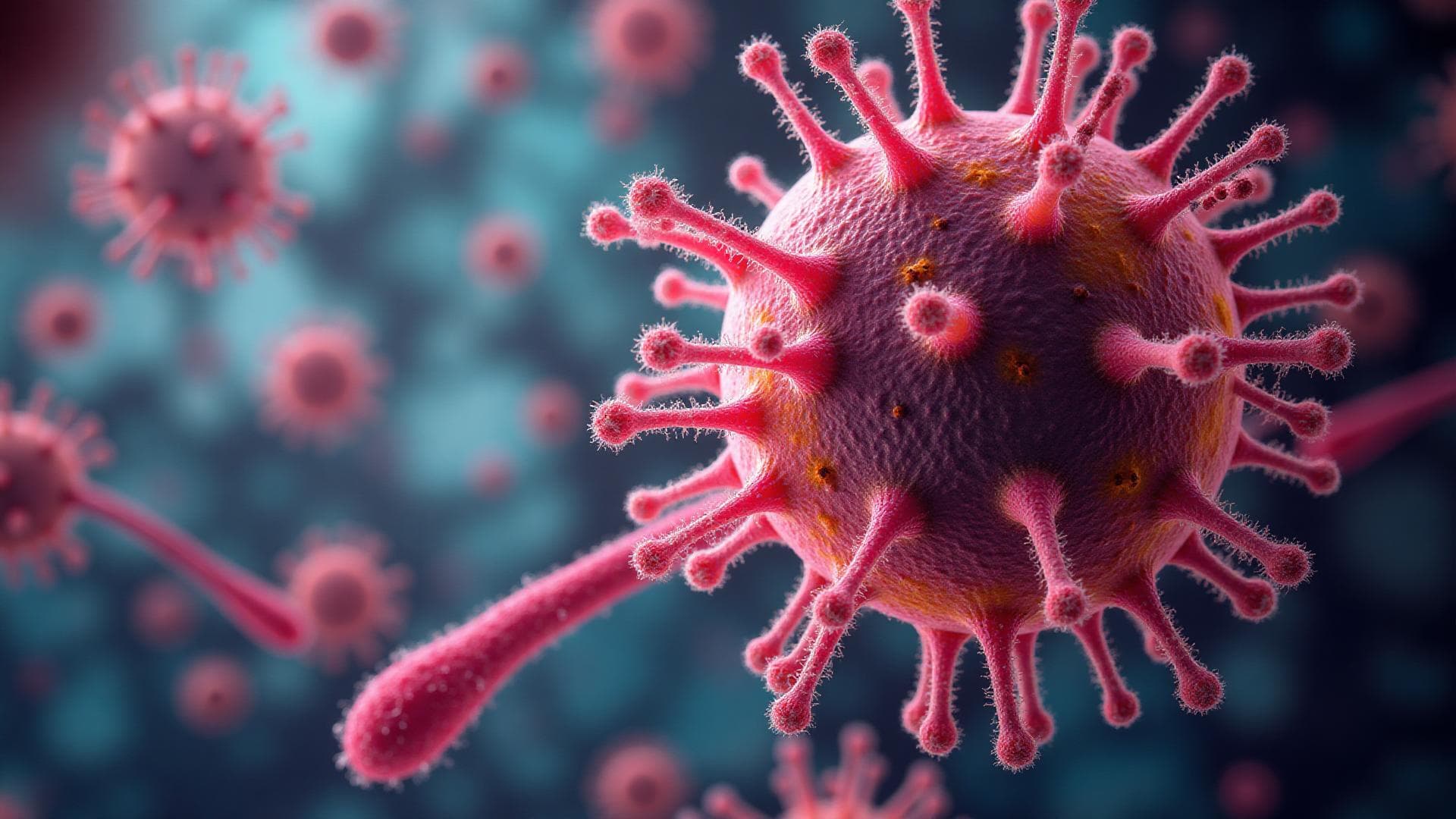
La fijación médica dogmática en el patógeno aislado Borrelia burgdorferi es uno de los mayores errores de la infectología moderna. En la realidad microbiológica, los patógenos nunca operan en el vacío; forman redes altamente complejas, notablemente adaptables y sinérgicas. Como es evidente tras mis décadas de investigación sobre retrovirus y el virus de la inmunodeficiencia humana (VIH), en la enfermedad de Lyme crónica observamos una inmunosupresión absolutamente comparable, prácticamente orquestada, impulsada principalmente por las llamadas "coinfecciones".
La Sinergia Patogénica: Una Danza Mortal
Cuando una cohorte de pacientes no sana después de semanas de terapia antibiótica, a menudo intravenosa, casi nunca se debe a "superbacterias" mutadas o a la imaginación del paciente. Se debe casi exclusivamente a la fauna microbiológica que lo acompaña.
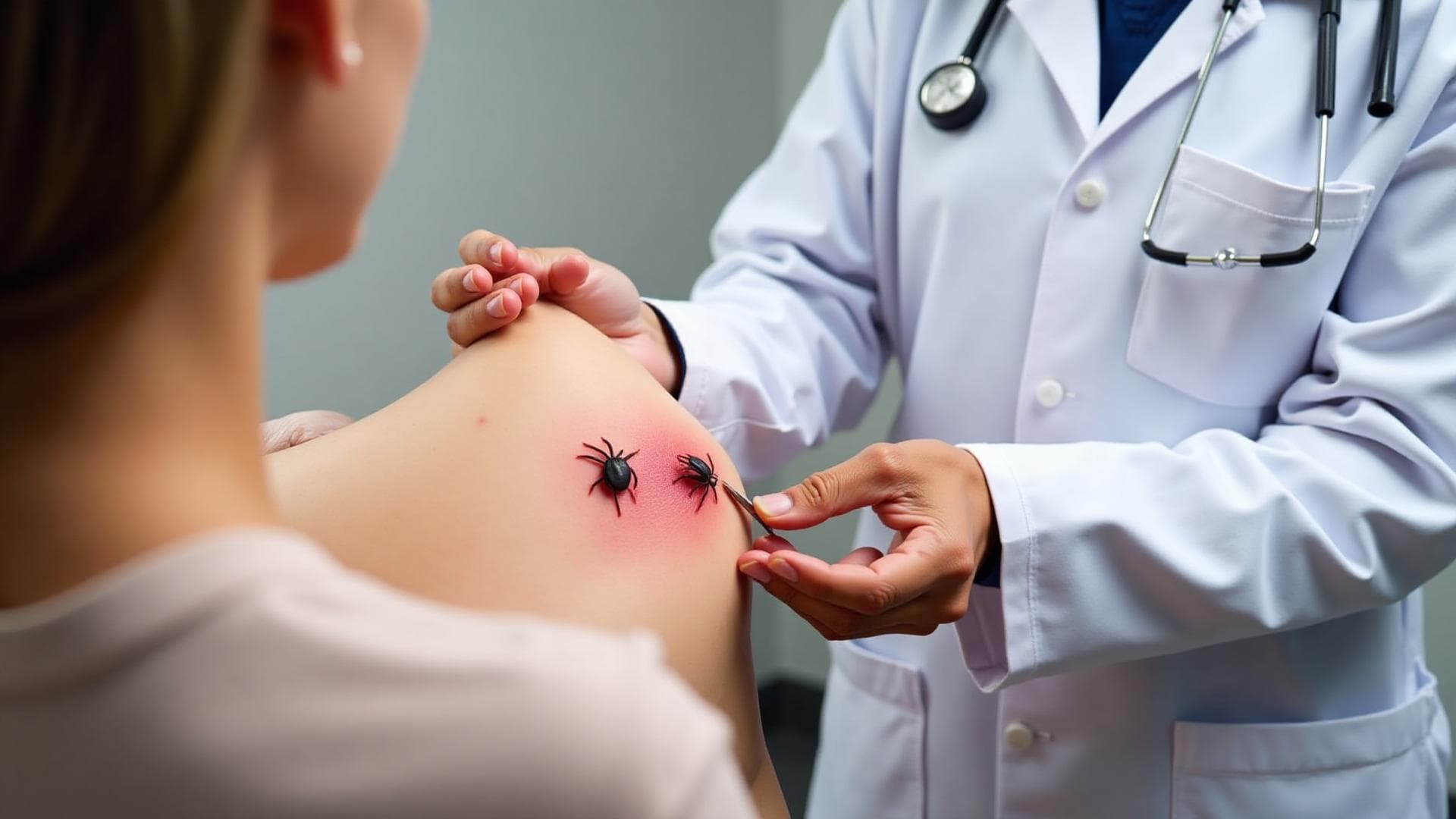
La picadura de una garrapata infectada rara vez transmite solo Borrelia. Inyecta todo un reservorio altamente tóxico: Bartonella, Babesia, Rickettsia, Anaplasma y Mycoplasma. Estos patógenos rara vez luchan entre sí por los recursos del huésped. Al contrario: cooperan estratégicamente basándose en la percepción de quórum (quorum sensing). Mediante la transferencia de genes, intercambian plásmidos, estabilizan mutuamente sus biopelículas extracelulares (matriz viscosa) y deconstruyen metódicamente la respuesta de las células T de nuestro cuerpo al aumentar las citocinas antiinflamatorias (como la Interleucina-10).
Los Tres Jinetes de las Coinfecciones
Para curar las enfermedades crónicas multisistémicas, el médico tratante debe diagnosticar con precisión las "huellas dactilares" específicas de las coinfecciones dominantes. Cada grupo tiene una firma de destrucción altamente específica dentro del cuerpo humano:
Babesia: Los Generadores de Hipoxia
La babesiosis no es una infección bacteriana, sino un peligroso parásito de la sangre similar a la malaria (protozoo). Infecta, se multiplica y finalmente destruye nuestros glóbulos rojos (eritrocitos). Esto genera una cascada microtrombótica que conduce a la , "hambre de aire" (la aterradora sensación de no poder respirar lo suficientemente profundo) y sudores nocturnos extremos y repentinos en los que los pacientes literalmente deben cambiar las sábanas. Los antibióticos clásicos como la doxiciclina son completamente ineficaces contra los parásitos: la Babesia requiere urgentemente medicamentos antiparasitarios altamente específicos (por ejemplo, Atovacuona/Azitromicina).
Bartonella: Los Destructores Endoteliales
Bartonella henselae y las cepas relacionadas apuntan exclusivamente a las paredes de los vasos sanguíneos y al sistema nervioso central. Las infecciones por Bartonella causan inflamación microvascular extrema, sensación de "plantas de los pies ardientes" por la mañana, síntomas psiquiátricos profundos (ataques de ira, depresión severa debido a la inflamación del cerebro) y, a menudo, lesiones cutáneas características en forma de rayas (estrías de Bartonella) que se confunden erróneamente con "estrías" estándar.
Mycoplasma: El Ladrón Intracelular
Los micoplasmas son las bacterias de vida libre más pequeñas conocidas. Su rasgo único: no poseen pared celular. Esto los hace inmunes a casi todos los antibióticos betalactámicos (como la penicilina). Penetran profundamente en nuestras células y roban nutrientes esenciales (por ejemplo, colesterol y aminoácidos). Desencadenan neumonías atípicas crónicas, ataques de tos persistentes y degeneración articular severa.
Reactivación: El Despertar Viral desde las Sombras
Uno de los mecanismos menos comprendidos de la enfermedad post-Lyme es el despertar explosivo de virus endógenos. Casi todos los seres humanos occidentales albergan pasivamente el virus de Epstein-Barr (EBV), el citomegalovirus (CMV) o el herpesvirus humano 6 (HHV-6) durante toda su vida, en su mayoría latentes en el líquido cefalorraquídeo o en las células B. En circunstancias normales, un sistema inmunológico intacto los mantiene fácilmente a raya (latencia).
Sin embargo, cuando el consorcio Borrelia/Bartonella comienza a manipular sistemáticamente la arquitectura de citocinas del cuerpo, se crea una profunda "zona muerta inmunológica". El sistema inmunológico se desvía hacia un "falso enemigo" bioquímico. Exactamente dentro de esta ventana de sombras de la inmunosupresión celular, los virus del herpes latentes despiertan con fuerza.
"La consecuencia fatal y trágica en la práctica clínica: el paciente sufre repentinamente, en primer lugar, de una reactivación fulminante y altamente tóxica del EBV. Los médicos diagnostican 'fiebre glandular crónica' (mononucleosis) mientras que la enfermedad de Lyme real, la mente maestra desencadenante, permanece sin ser detectada y se retira silenciosamente hacia las capas de tejido más profundas del sistema nervioso central."
Biofísica: Señales EMS y la Memoria del Agua
En mis trabajos de investigación posteriores y ciertamente controvertidos (por los que recibí críticas extremas como virólogo), pude medir señales electromagnéticas de baja frecuencia (EMS) en diluciones acuosas muy altas de ADN altamente patógeno (como Mycoplasma pirum y Borrelia). Tenemos razones físicas muy fuertes para creer que los patógenos virales y bacterianos se comunican entre sí en el plasma sanguíneo a un nivel puramente biofísico y no químico. Sincronizan sus fases de ataque y defensa a través de estos campos de resonancia. Por tanto, una terapia de erradicación exitosa debería integrar idealmente aspectos de resonancia biofísica en el futuro.
La Solución Virológica y Antiparasitaria
La monoterapia unidimensional con antibióticos estándar se asemeja a un intento de obligar a una compleja orquesta sinfónica de 100 músicos a detenerse simplemente quitándole el atril al primer violinista. Si bien los antibióticos hacen que la Borrelia se retire rápidamente a sus formas quísticas inexpugnables, el resto del conjunto altamente patógeno, especialmente los virus y la Babesia, florecen sin ningún control.
Curar las enfermedades multisistémicas crónicas exige una estrategia orquestada, multisistémica y fraccionada. Antes del ataque antibacteriano primario, la carga viral debe reducirse absolutamente (por ejemplo, mediante antivirales herbales sistémicos o terapia de ozono dirigida en dosis altas). Al mismo tiempo, las coinfecciones parasitarias como la Babesia deben eliminarse como prioridad absoluta, ya que mantienen la sangre permanentemente tóxica y bloquean drásticamente el oxígeno celular.
Solo al destruir radicalmente esta “Alianza Patogénica” completa, el endotelio natural humano y el sistema inmunológico finalmente recuperan la oportunidad de limpiar el terreno microbiológico y sanar sistemáticamente.
Referencias científicas y estudios basados en evidencia
- [1]
Montagnier, L., et al. (2009): Electromagnetic signals are produced by aqueous nanostructures derived from bacterial DNA sequences. Interdisciplinary Sciences: Computational Life Sciences
- [2]
Vannier, E. G., et al. (2015): Babesiosis. Infectious Disease Clinics of North America
- [3]
Breitschwerdt, E. B. (2014): Bartonellosis: One Health Perspectives for an Emerging Infectious Disease. ILAR Journal